Step 01 / 13
Design
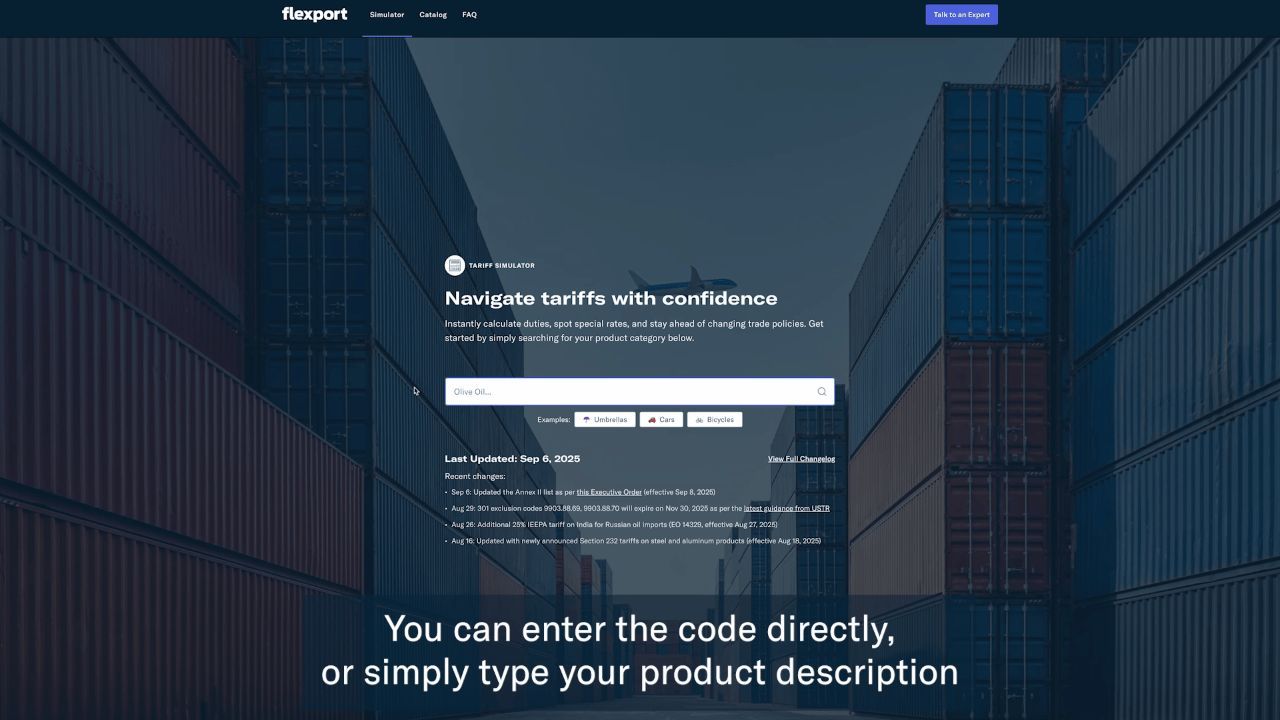
While your team is still designing the product, AI classification and our Tariff Simulator show the duties and the landed cost, so you know your margin before the first sample.
- Companies involved
- 00
- Documents
- 02
Flexport Amsterdam Engineering
Our mission is to make global trade so easy there will be more of it. Flexport runs a physical network across 135 countries, learns from every shipment on it, and trains AI agents that run it better every day. We're hiring software engineers in Amsterdam to build it: applied AI, security, platform and customs.
$ 175 B
Value of goods shipped since inception
13,000 +
Brands that trust Flexport
55 +
New AI and technology products in the past year
The biggest industry you never think about
Point at something in the room that was made within 100 km of where you're sitting. Hard, isn't it? Almost everything you touch today crossed an ocean to get to you. Moving it all is a $13 trillion industry.
“Most people don't realize this is one of the largest industries in the world. It's the vascular system of our economy. If nothing moves, nothing works.”
Made in Shenzhen, China Arrives in Amsterdam
Lithium batteries count as dangerous goods in the air, so even a laptop has to be packed and declared under special rules to fly.
Made in Ho Chi Minh City, Vietnam Arrives in Rotterdam
Vietnam is the world's second-largest footwear exporter. When ships avoid the Red Sea and sail around Africa, they arrive 1 to 2 weeks later.
Made in Santos, Brazil Arrives in Antwerp
Green coffee crosses the Atlantic in lined 20-foot containers. Antwerp is a major European coffee port.
Made in Chittagong, Bangladesh Arrives in Rotterdam
Bangladesh is among the world's top three garment exporters. Many shirts change ships at hubs like Colombo on the way.
Made in Callao, Peru Arrives in Rotterdam
Avocados ride in refrigerated reefer containers at 5 to 7°C, and only start ripening once they reach Europe.
Made in Taichung, Taiwan Arrives in Rotterdam
Yes, even your Dutch bike. Taiwan is a powerhouse in high-end frames, wheels and components.
Freight forwarding, explained
Between the factory and the shelf sit the exporter and the importer, truckers on both ends, warehouses, ports, an ocean carrier, customs brokers, governments, a bank and an insurer. Ten companies on one container is normal; our CEO once counted 17. None of them share an API, so every hand-off adds delay. If you make polos, you don't want to deal with any of that. A freight forwarder runs the whole relay for you.
A typical ocean shipment, from the drawing board to the shelf
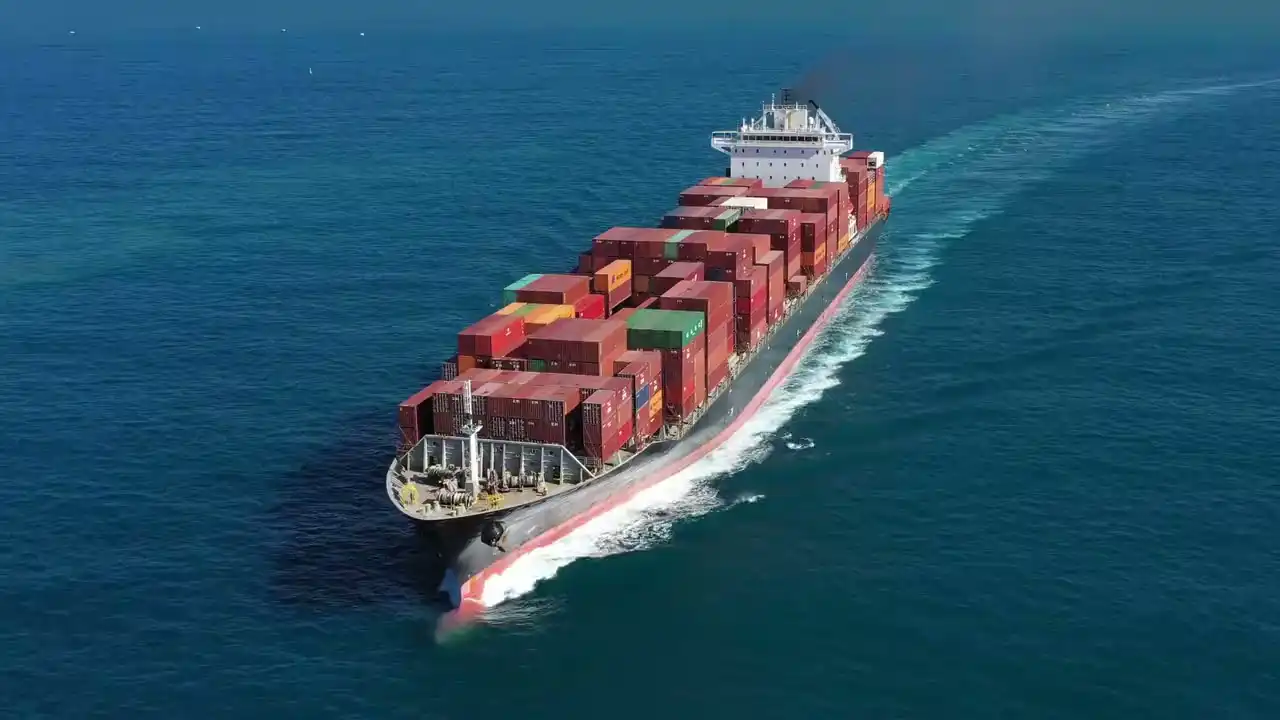
Flexport runs this relay on one platform: agents handle the routine work, and experts step in where judgment matters.
Step 01 / 13
While your team is still designing the product, AI classification and our Tariff Simulator show the duties and the landed cost, so you know your margin before the first sample.
Step 02 / 13
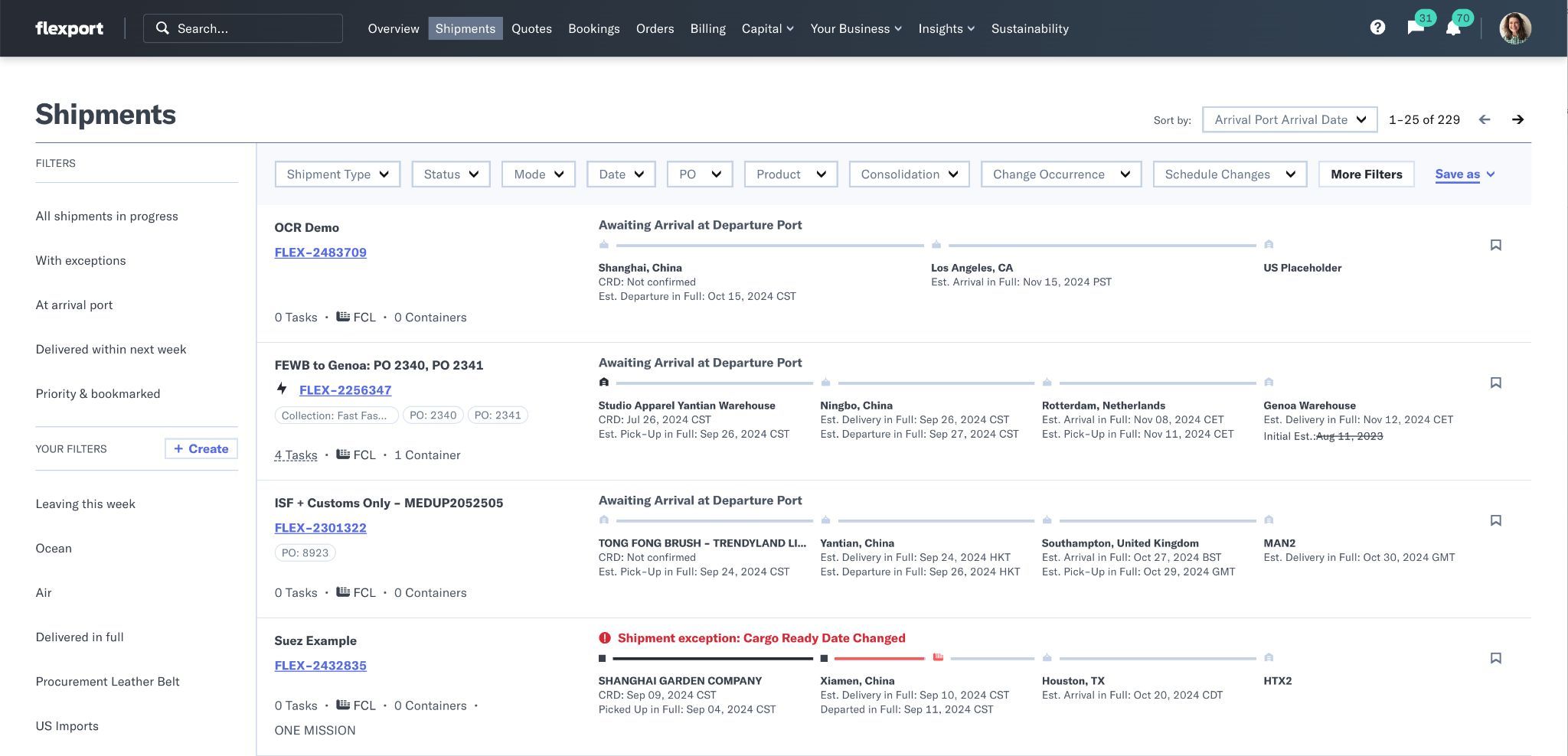
You send the purchase order to your supplier. We create the booking at the factory, synced with your warehouse inventory, so the right goods ship before you run out.
Step 03 / 13
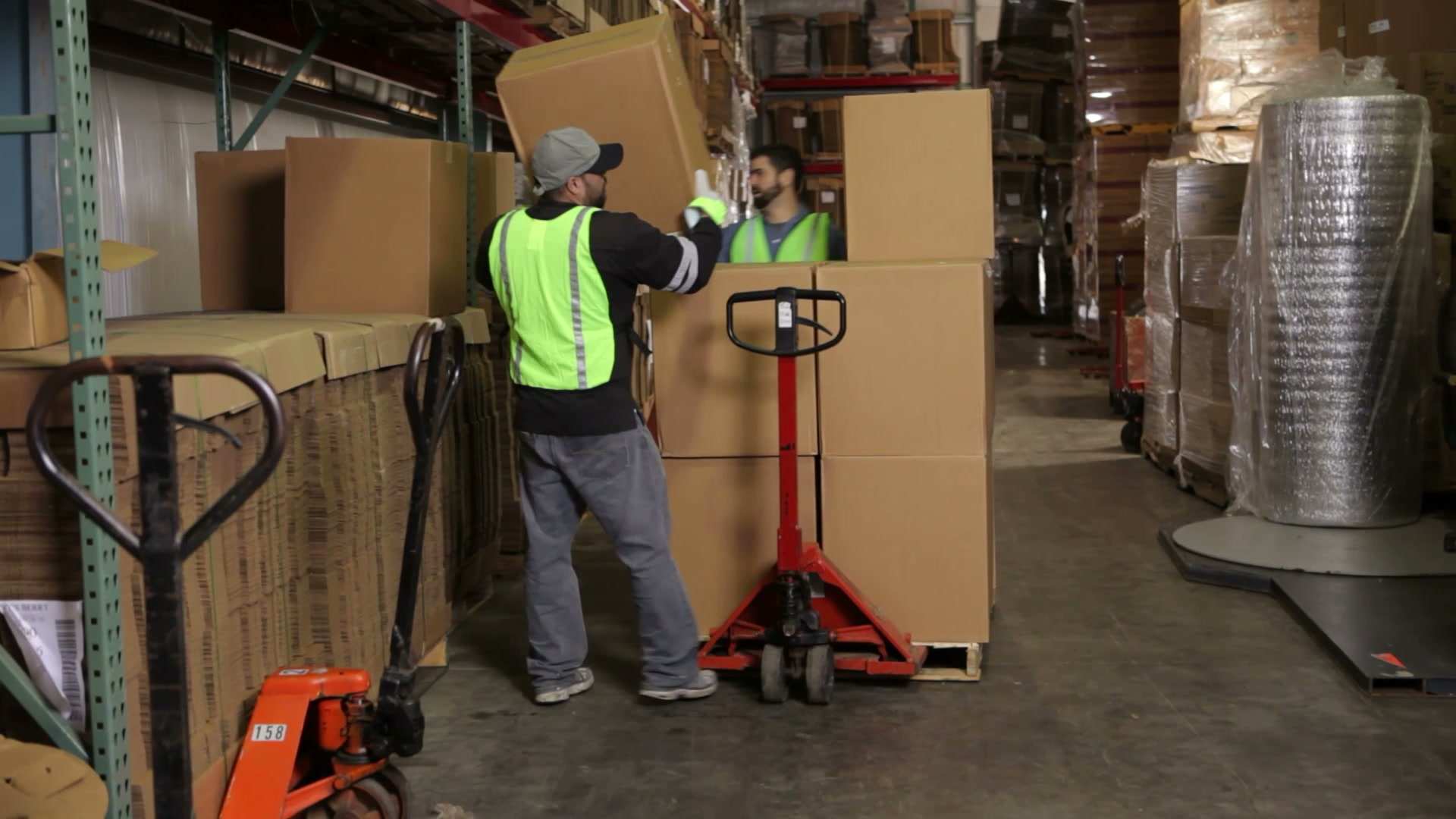
The supplier packs the goods and issues the paperwork everything else depends on. The cargo is insured before it moves an inch.
Step 04 / 13
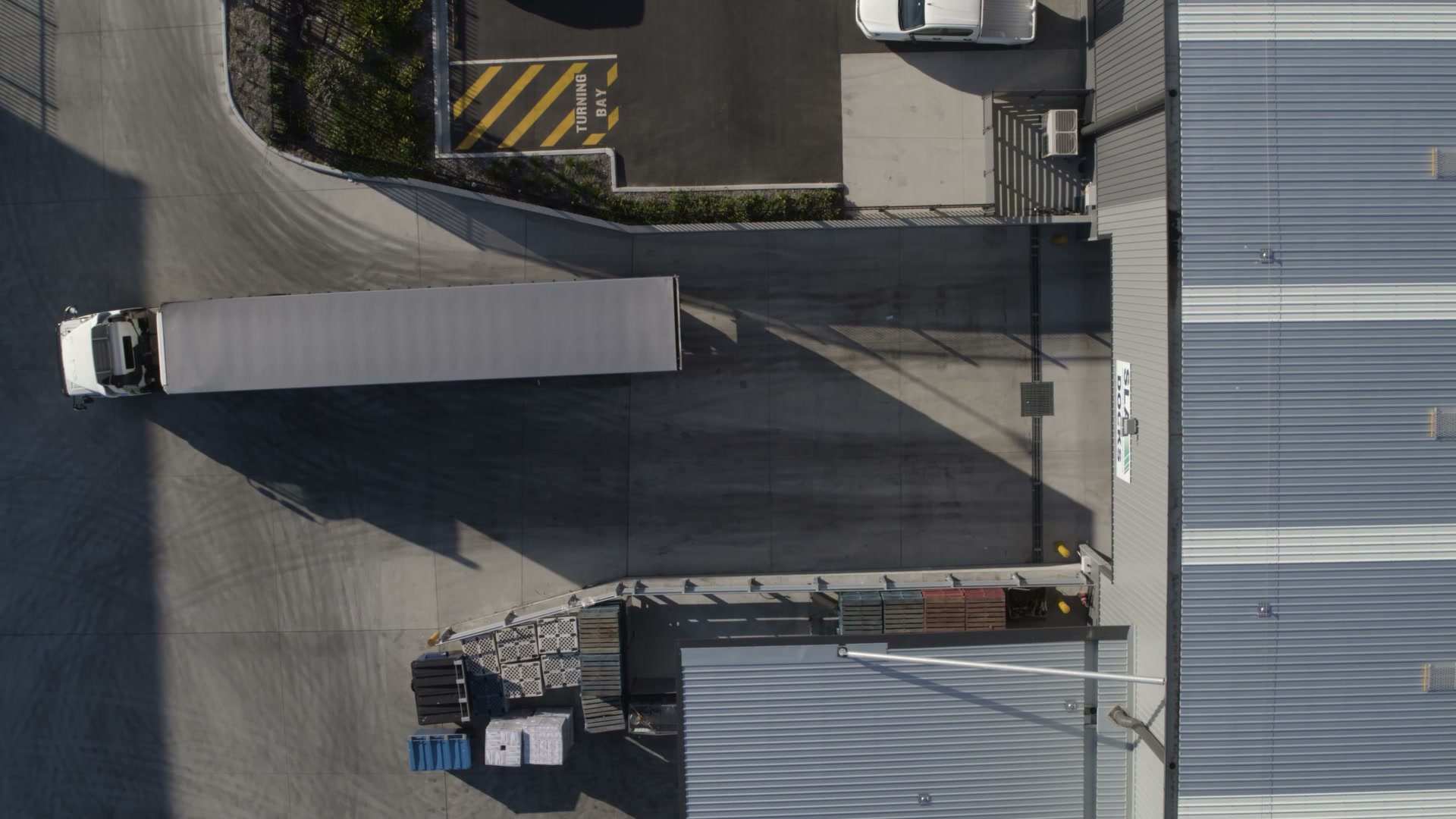
A trucker collects the goods at the factory door and hauls them to a warehouse near the port.
Step 05 / 13
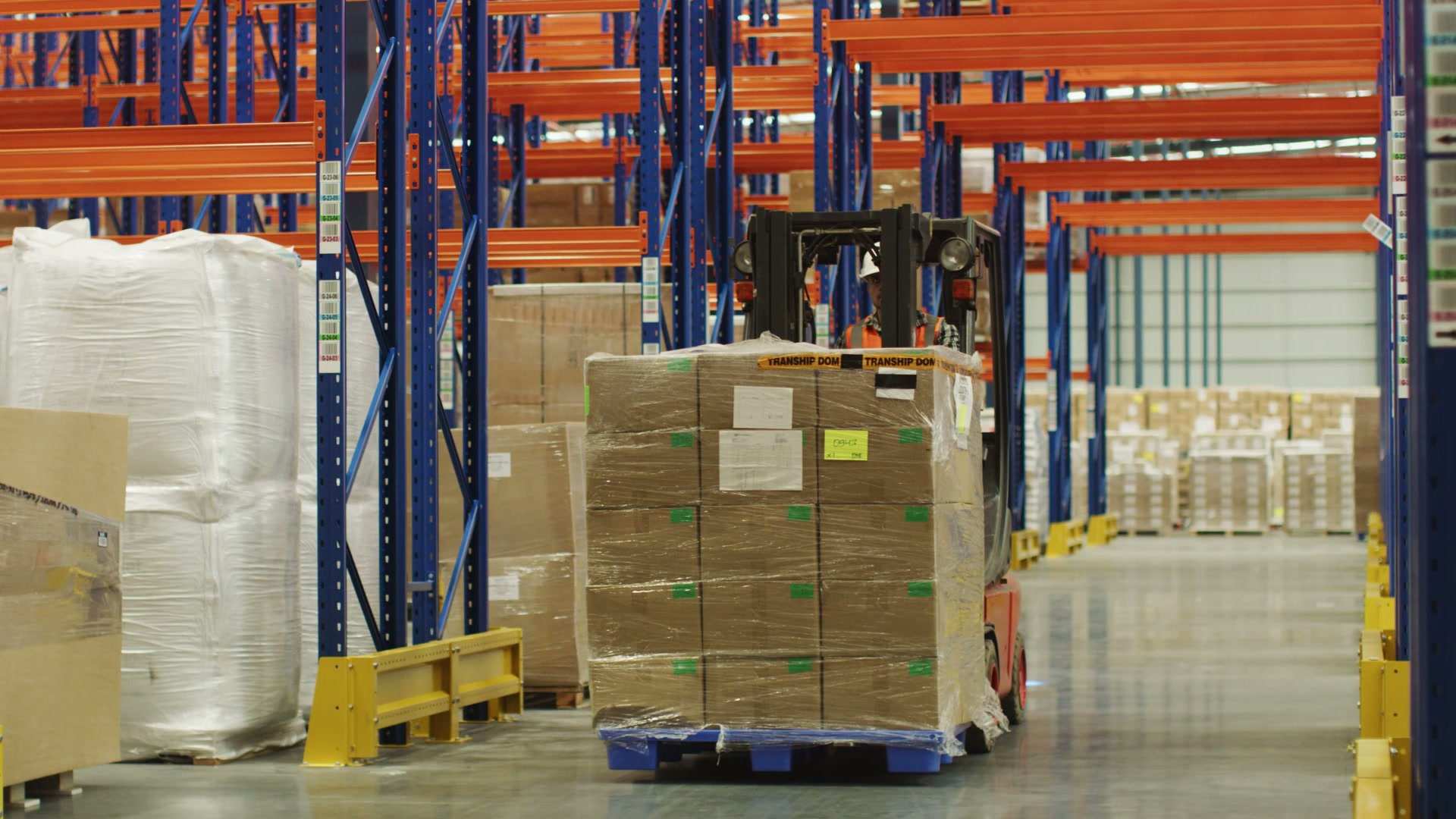
Cargo from several suppliers is combined to fill one container, so nobody pays to ship air.
Step 06 / 13
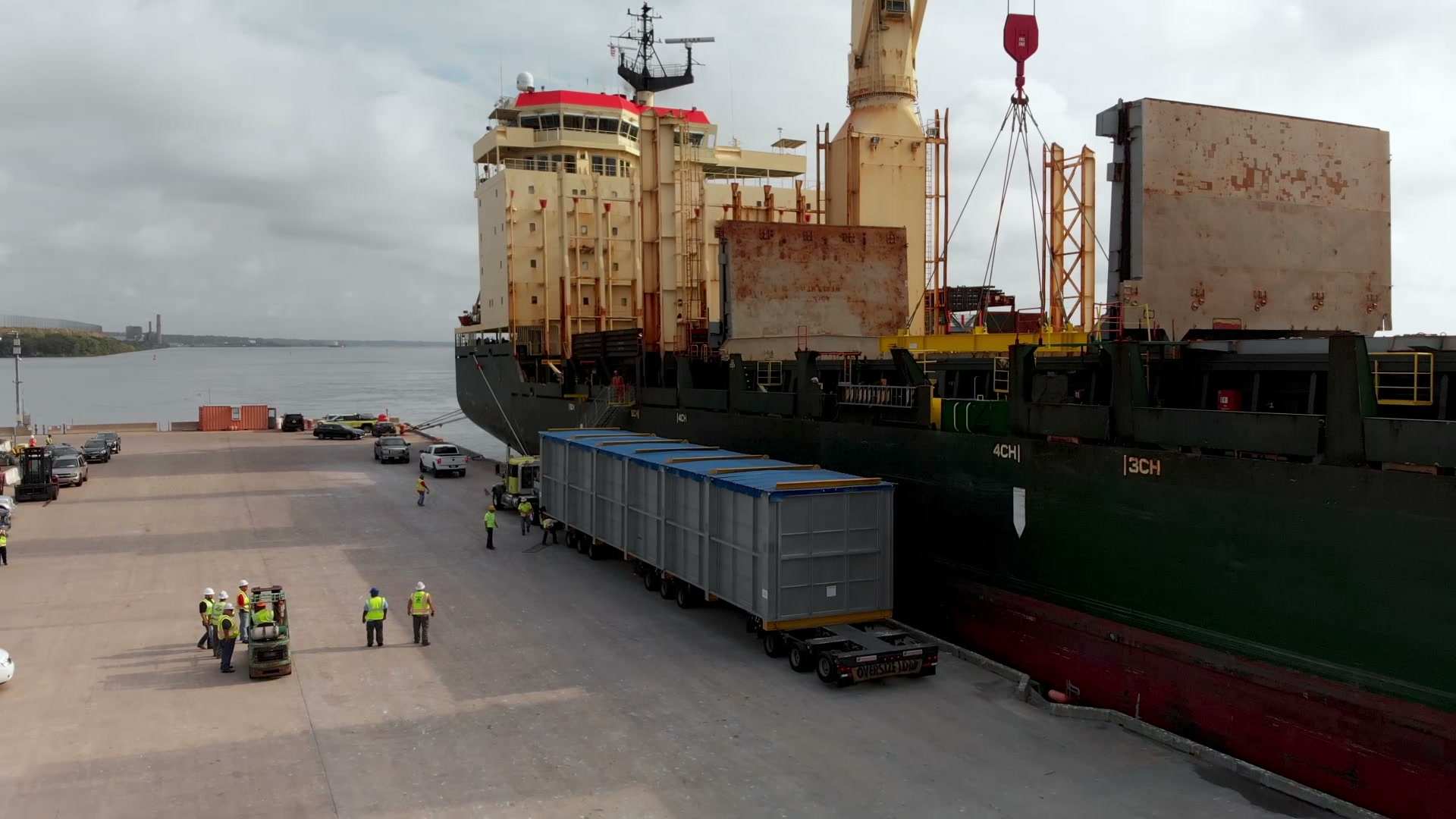
A broker files the export declaration, the carrier confirms space on the vessel, and cranes load the container.

Step 07 / 13
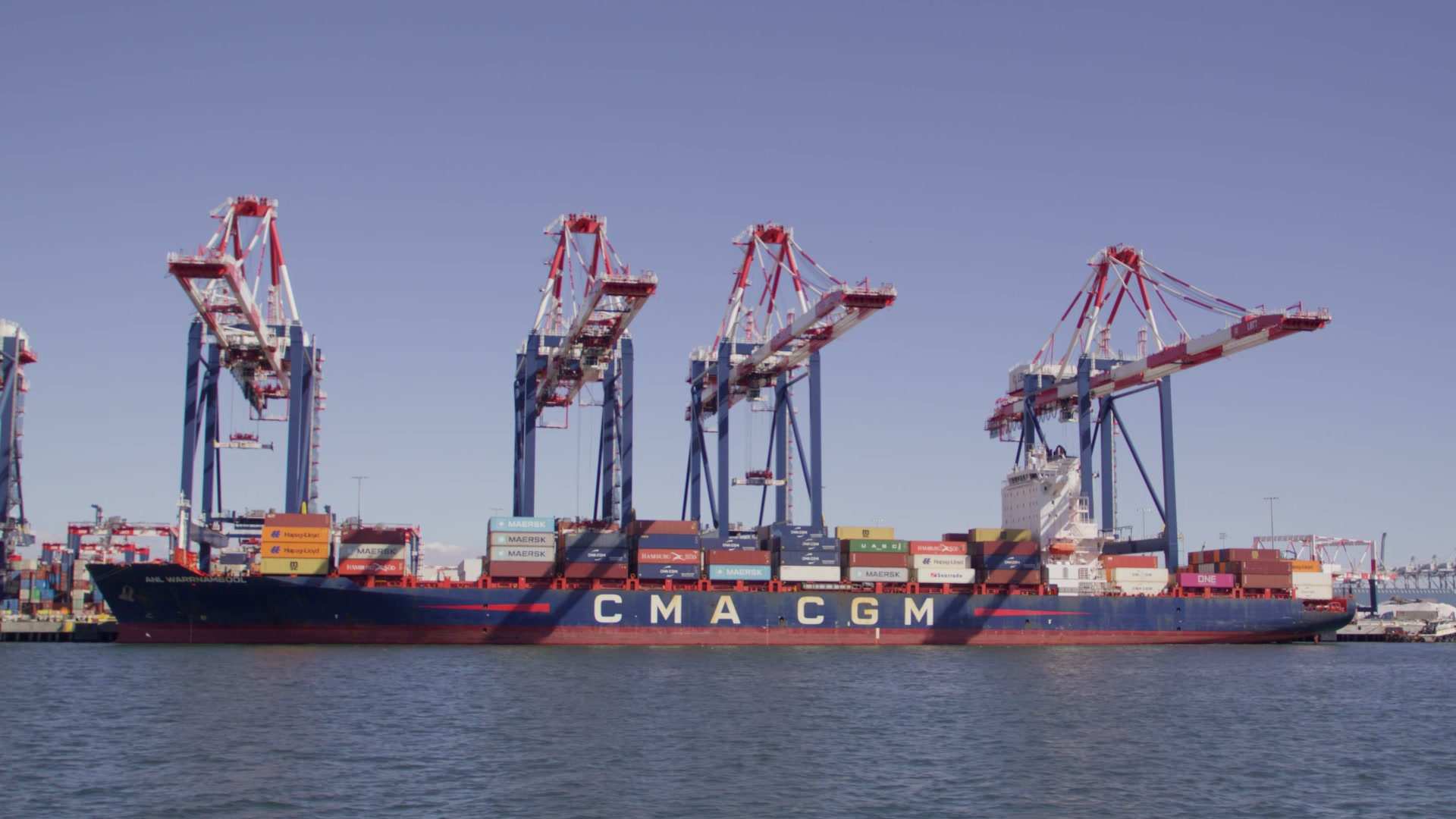
Most cargo crosses the world by ship. When speed matters, it flies. Either way, a lender finances the inventory and someone watches for storms, strikes and closed straits.
Step 08 / 13
The ship berths and the container is discharged. The clock on free storage time starts ticking.
Step 09 / 13
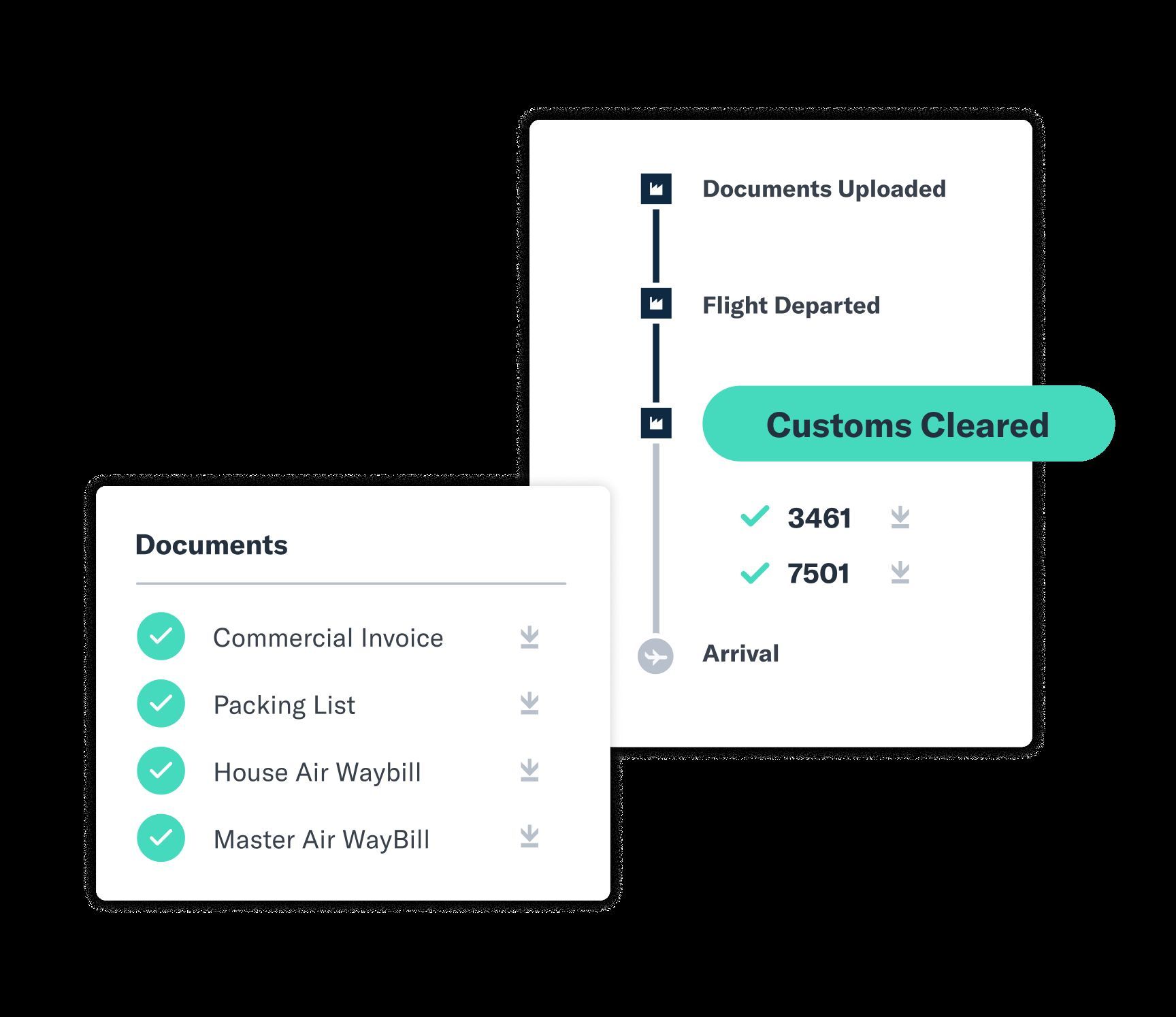
Every product is classified, duties and VAT are calculated, and the goods are released. We audit every entry with AI, not a sample.
Step 10 / 13
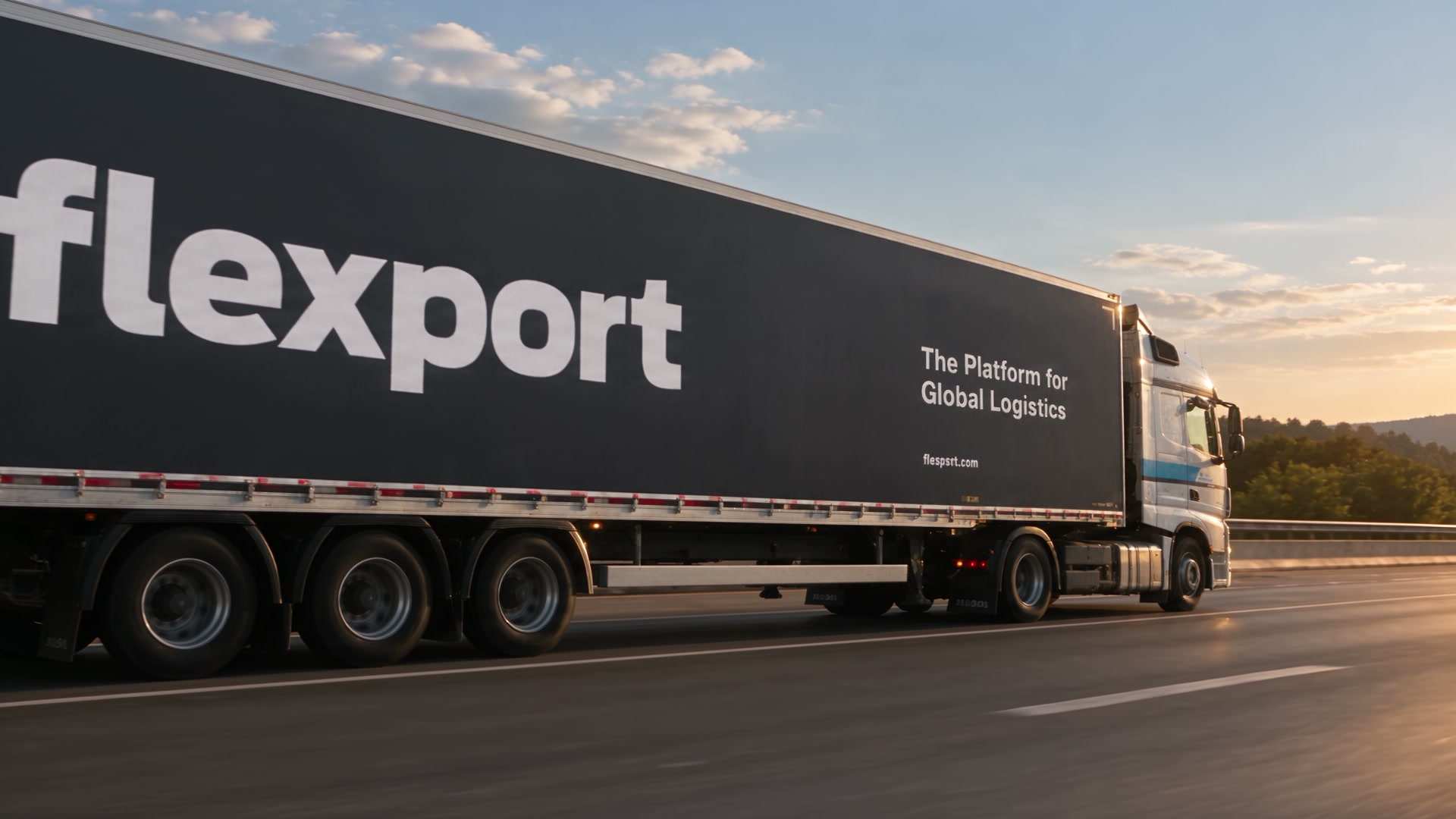
A second trucker collects the container and drops it at the warehouse in its booked slot.
Step 11 / 13
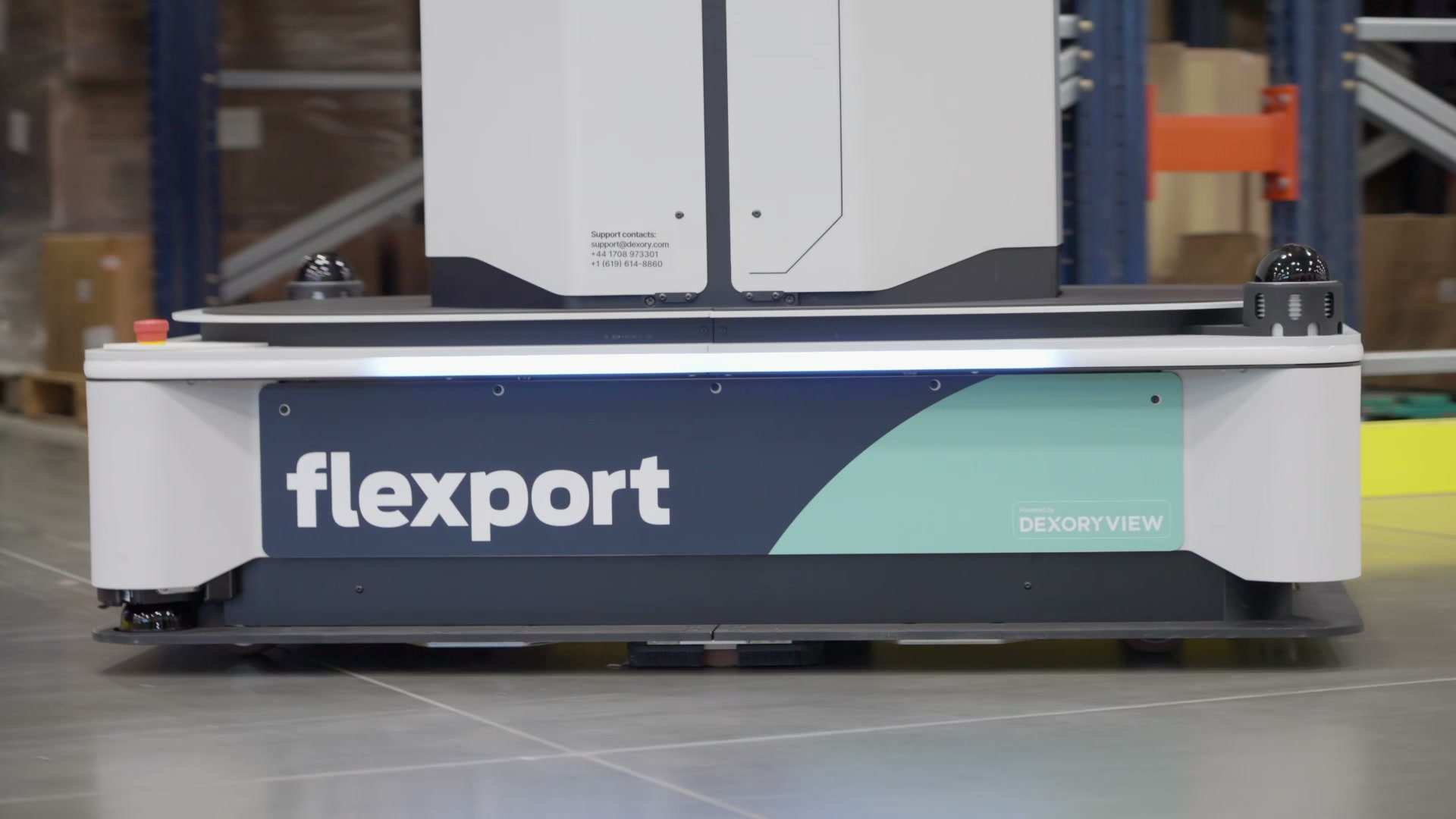
The goods are received and stored in a fulfilment centre. Every carrier, broker and terminal along the way gets paid.
Step 12 / 13
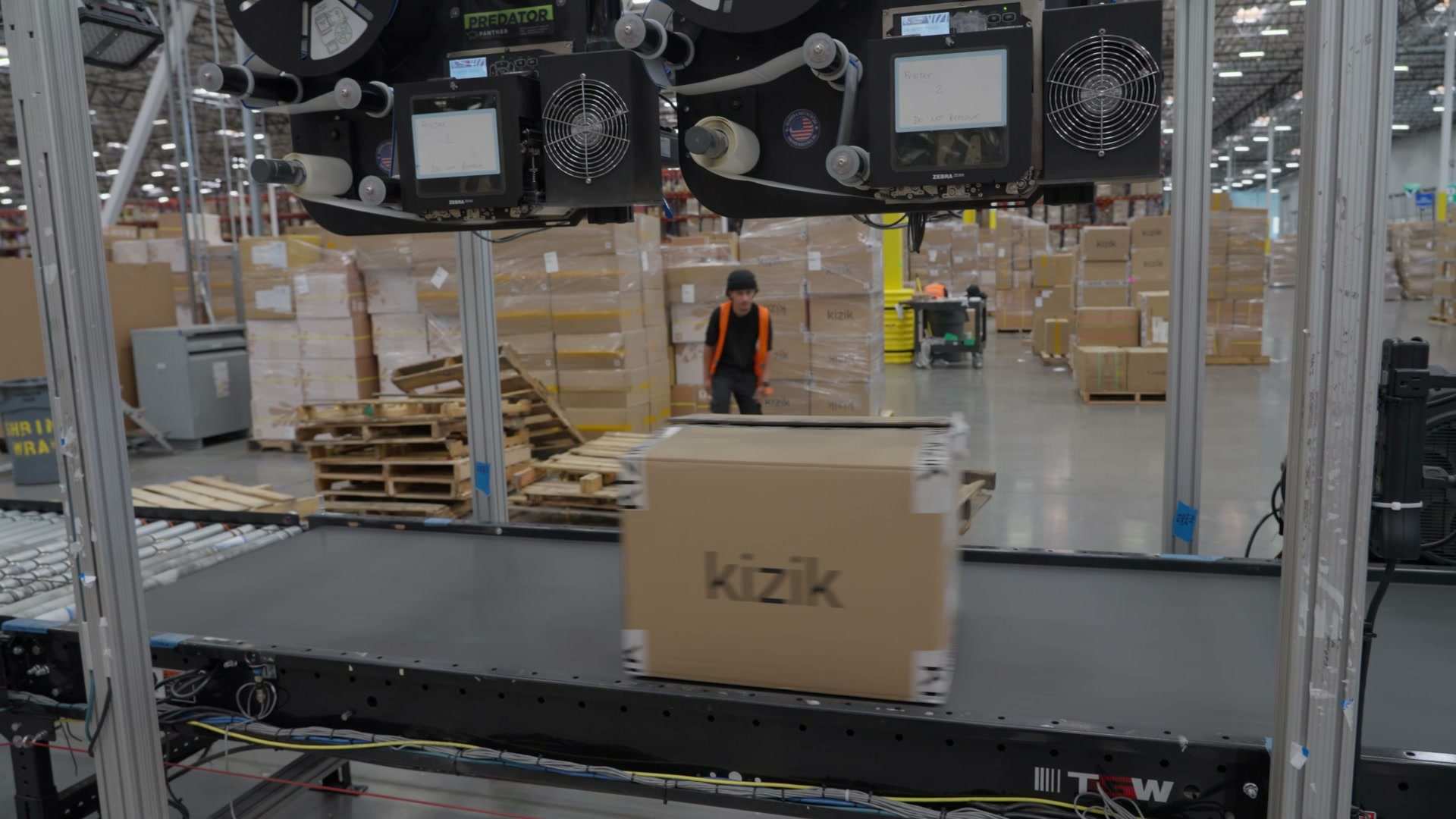
We pick, pack and deliver each order to stores, or straight to your customer's front door.
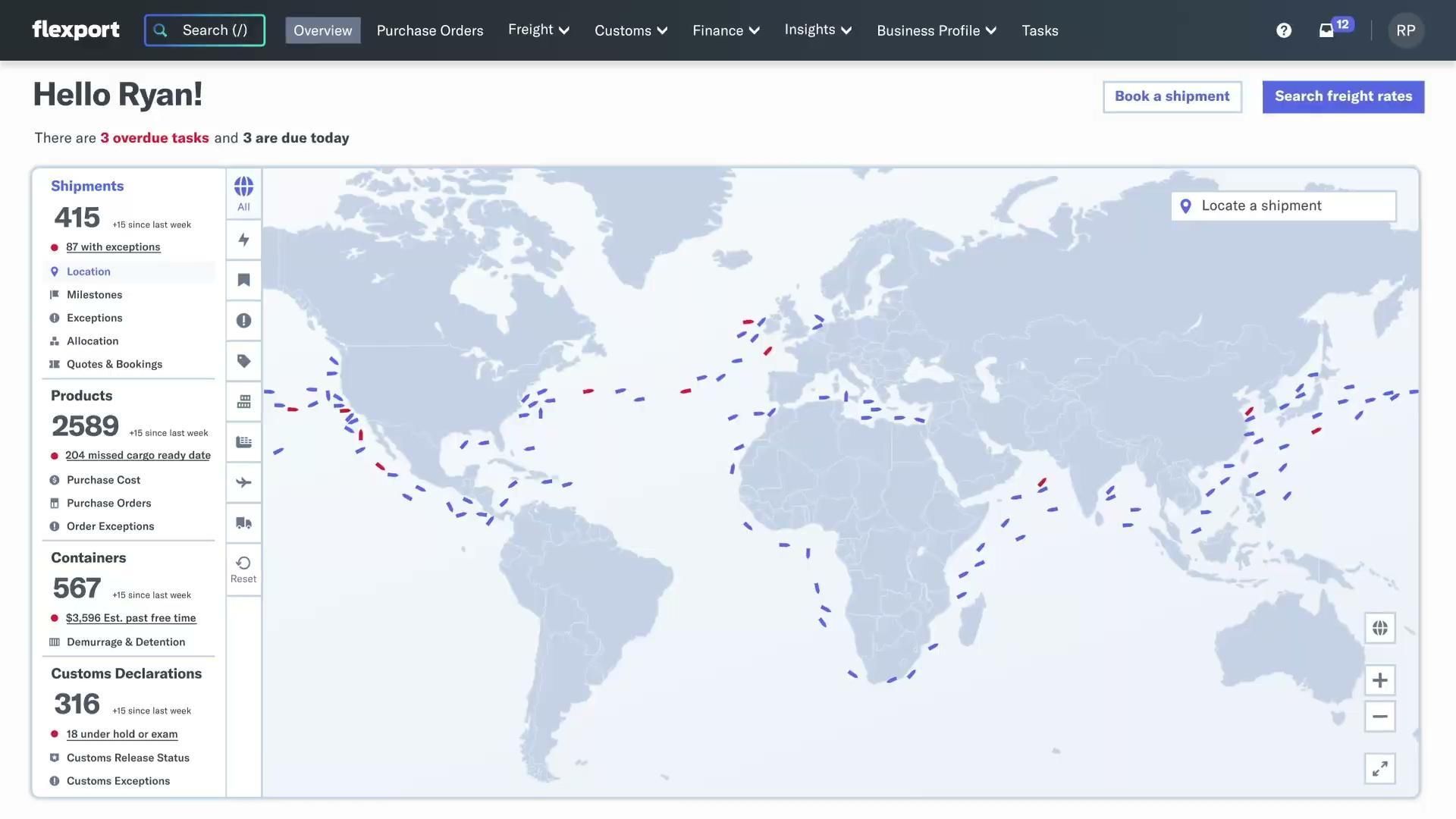
Step 13 / 13
When stock runs low, the next purchase order and booking go out automatically, so the loop starts again before the shelf is empty.
Never a dull moment
The status quo
There are 20,000 freight forwarders in the world. A few big ones have their own systems. The long tail throws people at the problem, and those people email each other Excel sheets and PDFs all day. We call it email freight forwarding.
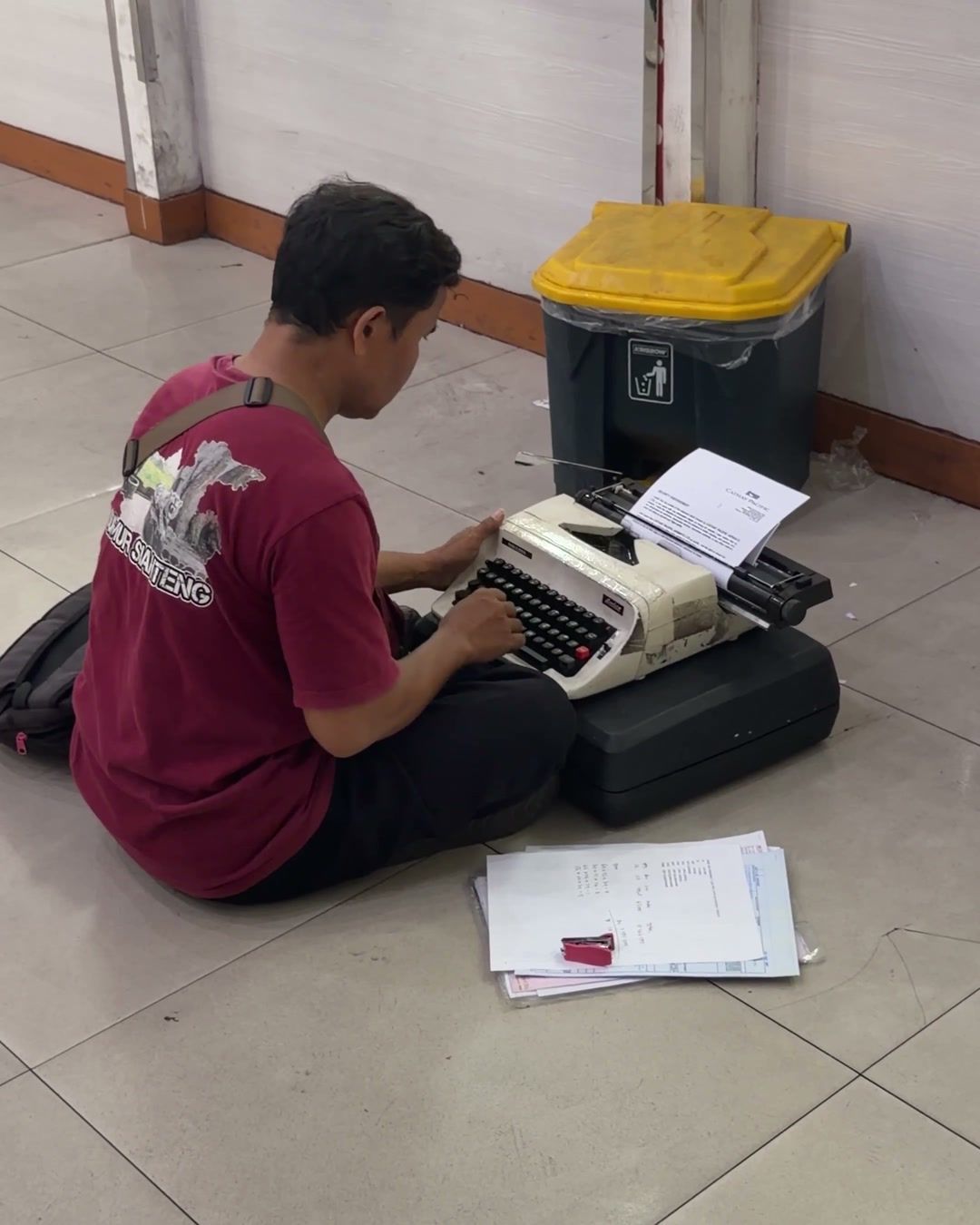
Real footage of how air waybills are handled to this day, in Indonesia.
See CEO Ryan Petersen's tweetThe same order can take two months to arrive, or seven. Nobody can plan around that, so companies hedge: they stock too much, run out anyway, or pay to fly what should have sailed. Cutting costs with AI is the obvious first step. Solving this planning problem is the real prize.
The world's biggest freight forwarders are good, durable companies. None of them was founded after the web browser, let alone the cloud or ChatGPT.
Software let a handful of companies scale where people-powered incumbents couldn't. Freight is next, and Flexport is the one built for it.
What we build in Amsterdam
Unstructured documents, rules that change every week and freight that never stops moving make this the perfect industry for AI. Each team owns its domain end to end, and every one ships AI that does real work. No demos, no pilots, no slideware.
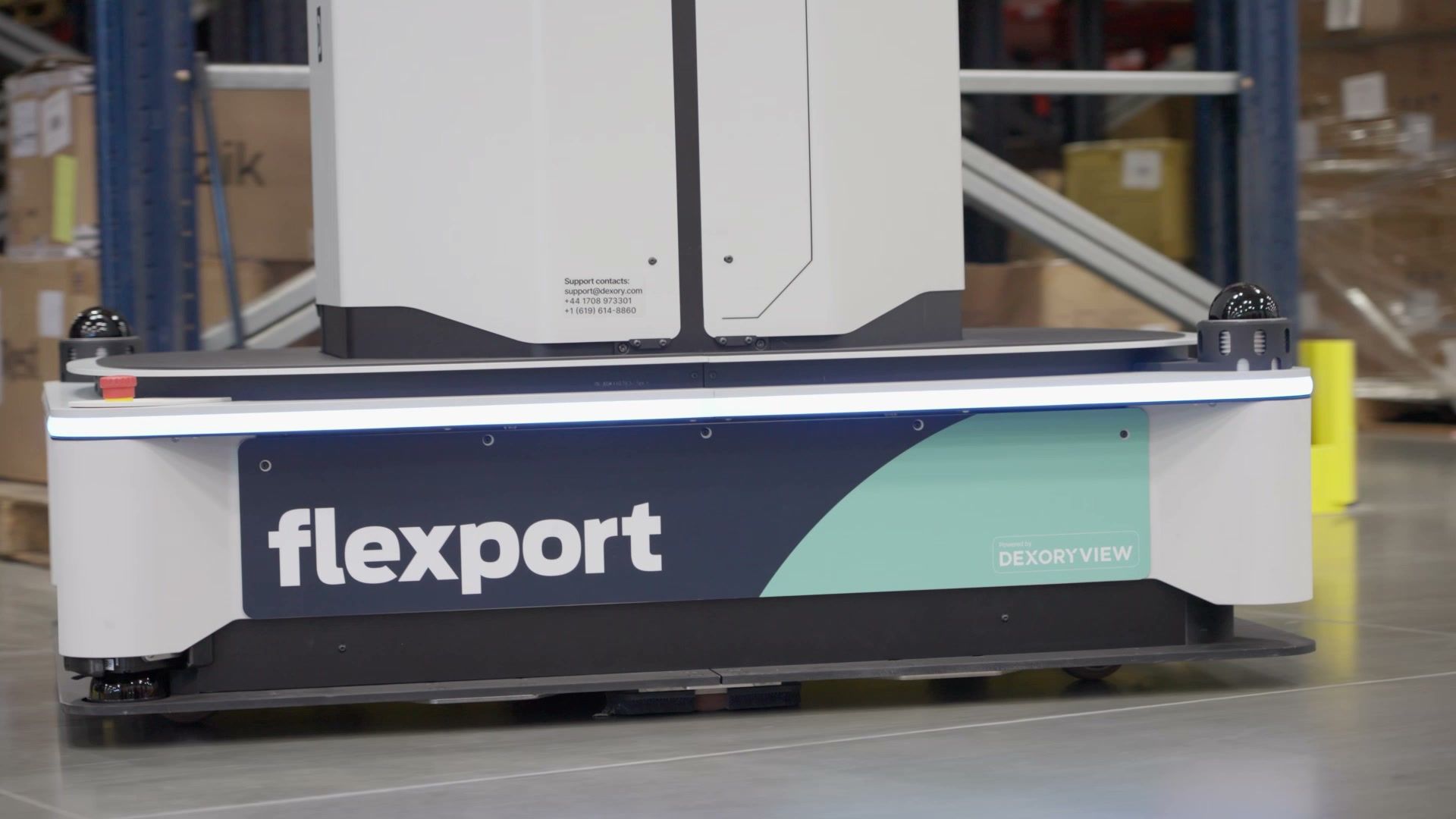
AI Ops Tech
We build Forge, Flexport's agentic platform. Forge is how our operators automate supply chains: they create agents and AI workflows that run very complex processes end to end. Underneath runs our own memory system, which learns how the world of operations works from every shipment, and uses that to automate even more. Better automation brings more shipments, and more to learn from. That's our flywheel.
AI in production
The supply chain brain
13,000+ brands 135 countries every port, carrier and warehouse
It learns from everything that moves through our network. Nobody programmed it that barges stop when the Rhine runs low: it watched our operators rebook those containers onto trucks, and learned. A smarter brain means better outcomes, more shipments and more to learn from. That's the flywheel, speeding up.
Operations
21M
Across Flexport, agents watch every shipment around the clock. When the Panama Canal runs low or a strait closes, they flag, reroute and rebook. New agents run in shadow mode until they pass their evals.
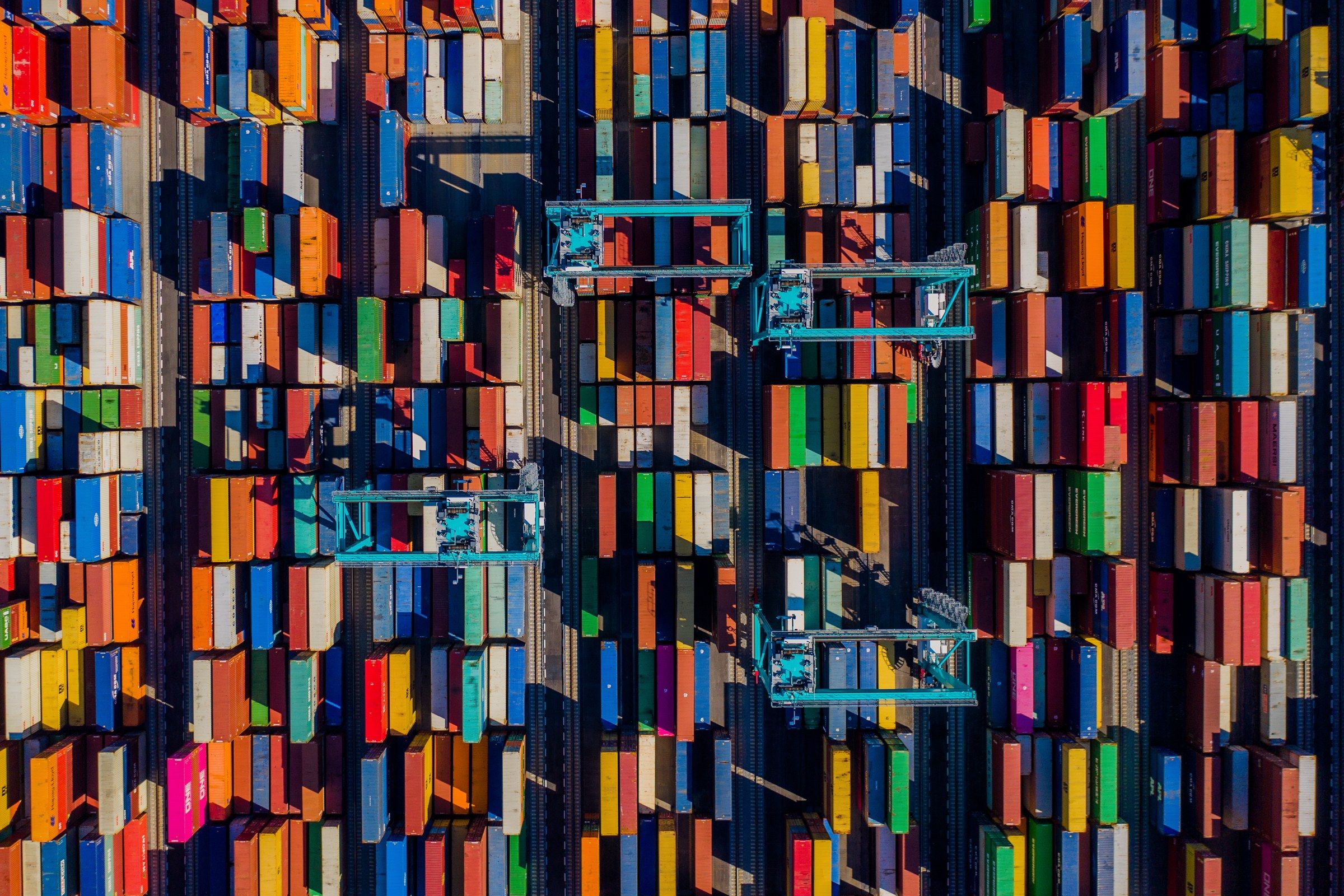
Customs Technology
Importing goods across borders is the hardest part of any supply chain, and we write the software that does it. We combine deep domain expertise, AI and deterministic systems, so any entrepreneur in the world can move goods on the Flexport platform. Up to 80% of the work already runs by itself. Next: 95%, in every country we operate in.
 Award-winning team TIME Best Inventions 2026 Flexport's Customs Technology Suite, with the Tariff Simulator.
AI in production
Customs automation
80%
Each change can give thousands of products a new duty rate, with no precedent in any database. Most brokers couldn't keep up. Ours kept classifying, preparing entries and calculating duties on their own, so our brokers handle the judgment calls instead of the toil.
Compliance
100%
Most brokers can review about 10% of their entries. Our AI reviews all of them and fixes the errors it finds. When we audited $1B+ of goods filed by other brokers, we found a 20% error rate. Ours is 0.2%* for US entries on a selective ruleset. When the Supreme Court ordered tariff refunds, entries filed wrong didn't get them. Our customers got almost all of theirs back.
Error rate on audited entries: competitors 20% Flexport 0.2%*
Built in Amsterdam
HTS
An Amsterdam engineer pitched an agent that classifies products for US customs. It's now a Flexport product.

Platform: DevX, Infra and SRE
Logistics is a 24/7 business: the business that serves everyone else's business. From our oldest monolith to our newest services, we keep every system our customers rely on running like clockwork. And we're building the most reliable platform and the most advanced developer experience there is, so every builder has the tools, metrics and access to run their own services well.
AI in production
Legion
Post a task in Slack and Legion takes it from there. Agents pull context from GitHub, Slack and Datadog and work in a secure environment. Meta harnesses coordinate them: one plans, others write and test the code, and specialist agents review each change by risk. Every morning, Legion's agents check the logs for errors, suggest product improvements and review operational performance, so engineers start the day with findings. Engineers set the outcome and judge the result.
On-call bot and sev bot
We're building Flexport's on-call bot and sev bot, there 24/7 whenever an incident hits. With long-term memory they remember everything, even the quirks of our oldest systems. Incidents that used to take hours of detective work become quick fixes.
Productivity tooling
We build and own Flexport's productivity tooling, from the fp CLI that every Flexporter uses to operate Flexport systems to the internal artifact sharing our coding agents rely on.
Security
Here, a breach doesn't stay on a screen: it can stop freight from moving. So we hire builders who automate security as far as it goes, and make secure the easiest way for every other builder to work. Incident response follows the sun across three continents. If you'd rather investigate and file tickets, this isn't the place for you.
AI in production
Threat factory
Agents explore our code, cloud and threat intel, work out what an attacker would go after, then plan and write the detection as code, with the right model for each step. Every detection is tested against MITRE ATT&CK techniques before it ships. Engineers decide what matters and review what goes out.
Auto red agent
A yearly pentest finds last year's bugs. We're building an AI attacker that maps our own apps and APIs, chains multi-step attacks the way a person would, and proves every finding with exact reproduction steps. Authorization bypasses and logic flaws included.
Vulnerability management
Scanners find problems. We build the agents that cut the noise down to real issues, open the patch, and fix forward when a fix can't wait. Every fix is a pull request a human can review.
Sev bot
The sev bot we're building with Platform joins security incidents too. It remembers every past incident and every quirk of our systems, so responders start with the full picture instead of a blank page.
Life at Flexport Amsterdam
Most engineers never meet their users. Ours sit in the same building. Walk over to operators, customs experts and account teams and get instant feedback on what you built. Even better, when your fix lands, they might come over to high-five you.
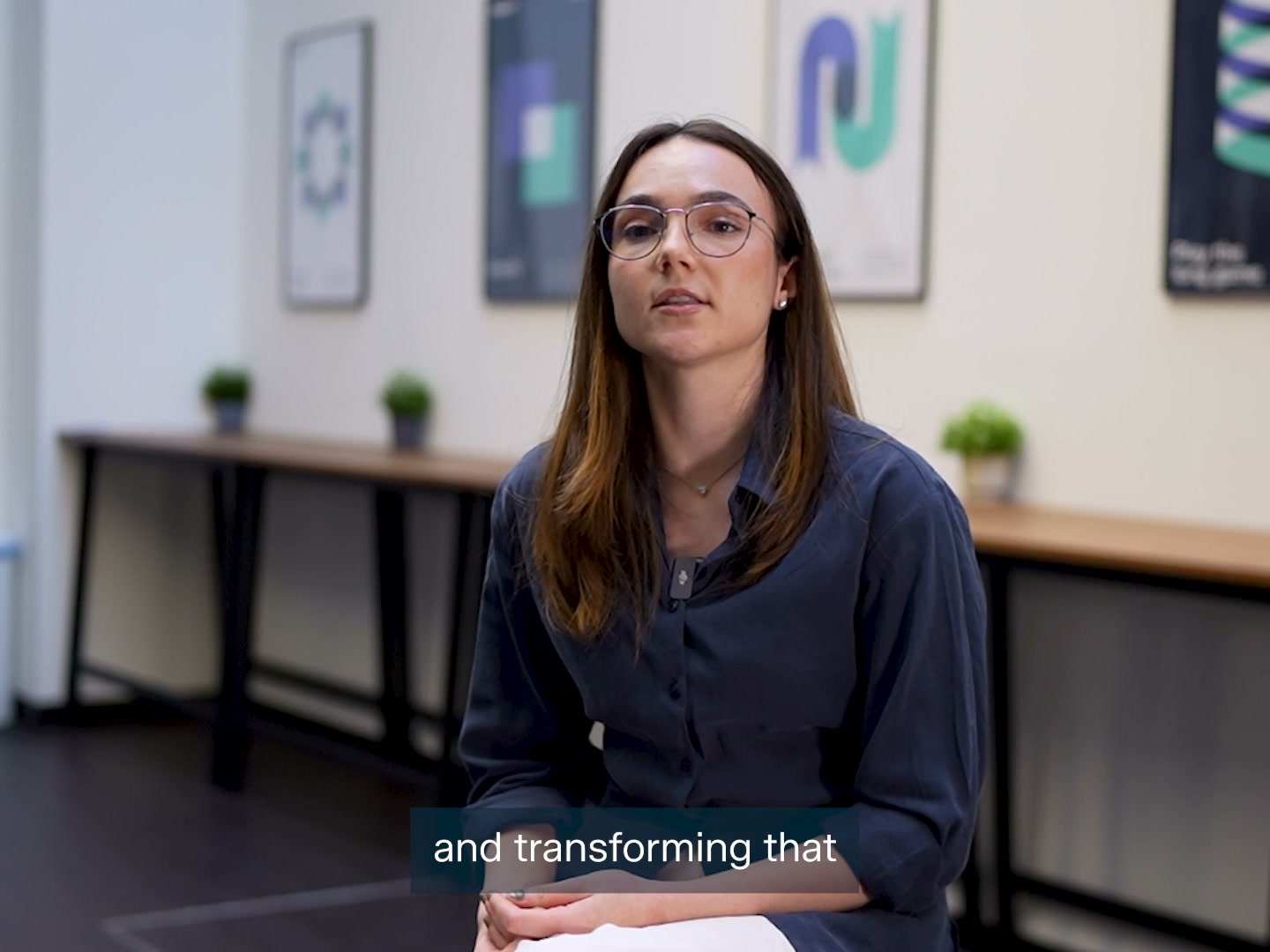
People who think end to end, do their own discovery and ship independently. Nobody hands you a spec.
“I have the agency to explore my own ideas, and I get the tools and the space to actually do it.”
Our operators work in the same office. Have lunch with your customer, watch them use your tool, fix it before dessert.
“Our users walk up to our desks. When we ship them a solution, they trust us more, and that creates a loop: we learn, the product improves, people get happier.”
Use any frontier model from Anthropic, OpenAI or Google, in all the popular coding harnesses. Our engineers build by managing swarms of coding agents from their first week.
Continuous deployment to production, with a platform team obsessed with making it safe and fast.
Quotes lightly edited for length.
Open roles
Software engineering jobs in Amsterdam across applied AI, security, platform engineering, SRE and customs technology. Check each Greenhouse posting for its work model and visa details.
No openings for that combination right now. Try another level or team.
Explore other roles at Flexport on our global job board.
See every role on our job boardFAQ
Anything else? Ask your recruiter. There are no wrong questions, only undocumented ones.
No. Almost nobody joins knowing what an HTS code, an ISF or a bill of lading is. You'll pick up the domain quickly because the experts sit a few desks away, and most of us end up geeking out about it.
We're hybrid. Teams are in our office on Nieuwezijds Voorburgwal, a few minutes from Dam Square, three days a week. The other days are flexible.
Yes, we sponsor highly skilled migrant residence permits for the right candidates. Eligible international hires may also benefit from the Dutch expat tax ruling: up to 30% of salary tax-free in 2026, moving to 27% from 2027, subject to eligibility and approval by the Dutch Tax Administration.
English. The Amsterdam team is international, and we collaborate daily with colleagues in San Francisco, Seattle, Chicago, Shanghai and Shenzhen.
We only contact candidates from @flexport.com addresses, every open role is listed on our Greenhouse job board, and we will never ask you for money or banking details during the hiring process.
It depends on the team. Security, for example, shares its pager across time zones with colleagues in the US so nobody gets paged at 3am local time. Your hiring manager will walk you through how your team handles it.
Your move
Come build the AI agents, customs systems, platform and security that keep global trade moving. From Amsterdam, for 135 countries.